Event Planning Services in Downtown Indianapolis

Indianapolis Event Planning Services: How to Choose the Best Downtown Indy Event Planner for Your Needs
Planning an event in downtown Indianapolis means juggling venue choices, vendor coordination, creative design, and technical production so everything runs smoothly—and feels personal. This guide breaks down what full-service Downtown Indy event planning looks like, why local knowledge matters for neighborhoods like Mass Ave and Fountain Square, and how to compare planners for corporate and wedding needs. Many hosts hit the same snags—disconnected vendor communication, last-minute production gaps, and uneven design execution—and knowing which services to prioritize helps you avoid them. Read on for a clear breakdown of services, practical checklists for corporate events, neighborhood-specific tips for Mass Ave and Fountain Square, and wedding design advice focused on personalization and production. We use local examples throughout to help you choose an experienced downtown Indy planner and understand the operational choices that make events great.
What Services Do Indianapolis Event Planning Companies Offer?

Full-service Indianapolis event firms bundle planning, design, decor, production, vendor management, rehearsals, day-of coordination, and post-event wrap-up into a single, coordinated delivery. Each piece supports the others: planning sets goals and timelines, design shapes the guest experience, decor and production build the environment, and vendor management secures and syncs suppliers to reduce risk. The end result is fewer surprises and a smoother event—whether you’re running a conference, a wedding, or a neighborhood activation. Below is a concise list of core services downtown Indy planners commonly provide.
Event service offerings typically include:
- Planning and timeline development to define scope, milestones, and permit needs.
- Event design and decor to shape atmosphere with lighting, florals, and furniture styling.
- Production and AV management for staging, sound, and hybrid-event technology.
- Vendor management and contract negotiation to lock in reliable suppliers and terms.
The quick comparison table below shows how each service differs in scope and common use cases, so you can pinpoint what matters most before you start evaluating providers.
| Service | Key Features | Typical Use Case |
|---|---|---|
| Planning & Coordination | Timeline creation, budget tracking, permit handling | Full-scale weddings, conferences |
| Design & Decor | Concept boards, rental sourcing, final styling | Intimate receptions, galas |
| Production & AV | Stage build, sound design, livestream capability | Product launches, hybrid meetings |
| Vendor Management | Preferred sourcing, contract terms, day-of oversight | Multi-vendor events, festivals |
This snapshot helps you scan which components align with your goals and prepares you for the vendor-selection stage that follows.
If you want hands-on support, Let’s Groove Events presents itself as a full-service planner focused on planning, design, decor, production, vendor management, and coordination across Downtown Indianapolis—especially in neighborhoods like Mass Ave and Fountain Square. Reach out to request a consultation and talk next steps.
Which Event Types Are Covered by Downtown Indy Planners?
Downtown Indy planners cover a wide range: weddings, corporate events, private parties, galas, fundraisers, and festivals—each with unique workflows and vendor mixes. Wedding planning leans heavily on design and ceremony logistics; corporate events prioritize AV, registration systems, and measurable attendee experiences. Private parties and fundraisers concentrate on guest flow, catering, and sponsor activation, while festivals need street permits and crowd-management plans. Planners offer everything from full-service project management to à la carte day-of coordination depending on scale, format, and whether the event is hybrid or in person.
Knowing these differences helps you match a planner’s strengths to your event type—next up, how vendor management improves outcomes.
How Does Vendor Management Enhance Your Event Experience?
Vendor management covers sourcing trusted suppliers, negotiating contracts, scheduling deliveries, and building contingency plans. Done well, it lowers risk by providing backups, clear scopes of work, and coordinated timelines so production, catering, and rentals arrive and work together. For example, aligning AV and lighting setups with vendor load-in windows prevents cascading delays and surprise costs. Strong vendor relationships also buy better pricing and faster on-site response—both of which improve guest experience and event ROI.
This operational reliability is the foundation for the corporate and venue selection tips that follow.
How to Find the Right Corporate Event Planner in Downtown Indianapolis?
Picking the right Downtown Indy corporate planner starts with a checklist that balances production chops, local vendor reach, and attendee-experience strategy. First, define your objectives—brand awareness, lead generation, training, or client hospitality—so proposals are comparable. Then ask for examples of AV rigs, registration flows, and staffing plans, and confirm how the planner measures success and manages budgets. Below is a practical checklist to screen prospective corporate partners.
Use this checklist when evaluating planners:
- Relevant experience: Request case studies for conferences, launches, or galas similar to yours.
- Vendor & AV network: Verify relationships with local AV, staging, and production providers.
- Budget management: Ask how costs are controlled, what contingencies exist, and reporting cadence.
- References & outcomes: Request measurable results or client summaries showing ROI.
| Selection Attribute | What to Look For | Why It Matters |
|---|---|---|
| AV & Production Capability | Clear tech riders, run sheets, and rehearsal plans | Reduces technical failure and supports hybrid audiences |
| Vendor Network | List of preferred vendors and negotiated contract terms | Improves reliability and price leverage |
| Budget Control | Transparent cost breakdowns and contingency planning | Keeps your event within financial goals |
After you apply this checklist, compare proposals by outcomes—not just price. For organizations prioritizing vendor coordination and logistics, Let’s Groove Events positions itself as a partner with proven production and vendor-management experience in Downtown Indianapolis; schedule a discovery call to review alignment with your procurement requirements and event KPIs.
What Are the Key Features of Downtown Indy Corporate Event Management?
Corporate event management downtown centers on registration systems, curated attendee journeys, sponsor activation, and reliable AV/production support. Strong plans include full run-of-show documents, contingency staffing, and defined roles for registration, speaker wrangling, and floor operations. Coordinated rehearsals and tech checks limit speaker delays and improve broadcast quality for hybrid audiences. When you prioritize the attendee journey—from arrival through post-event follow-up—you boost engagement and measurable ROI for stakeholders.
These operational features naturally tie into venue selection and logistics, which we cover next.
Which Venues and Logistics Are Ideal for Indianapolis Corporate Events?
Venue choice depends on capacity, AV infrastructure, accessibility, and catering options. Hotels and convention centers work well for large conferences; downtown’s unique venues are great for product launches and experiential events. Logistics to evaluate include loading-dock access, freight elevators, and nearby parking or transit for attendees and crew. Also check each venue’s in-house AV versus rules for external vendors—those details affect cost and setup complexity. Local transit and parking options shape arrival plans and signage, which influence guest convenience.
Use this venue assessment to confirm your planner can operationalize your vision in a downtown setting.
What Makes Mass Ave and Fountain Square Event Coordination Unique?
Mass Ave and Fountain Square each have neighborhood personalities that shape permitting, partnerships, and community outreach. Mass Ave’s arts corridor tends toward boutique venues, gallery activations, and cultural partnerships; coordination often requires aligned promotion and awareness of performance schedules. Fountain Square leans toward community festivals, music-focused activations, and close neighbor outreach to manage noise and timing. Successful neighborhood coordination balances permit navigation, local vendor sourcing, and community liaison work so events fit smoothly into the civic calendar.
| Neighborhood | Venue Types | Coordination Considerations |
|---|---|---|
| Mass Ave | Arts venues, theaters, boutique spaces | Local marketing, arts partnerships, permit timing |
| Fountain Square | Music venues, plazas, outdoor festival sites | Community outreach, noise management, street permits |
| Downtown Core | Hotels, convention halls, unique rooftops | Load-in logistics, transit access, AV infrastructure |
These neighborhood differences shape how planners approach logistics, vendor choices, and event promotion.
How Do Mass Ave Event Managers Leverage Local Venues and Partnerships?
Managers working on Mass Ave tap arts-district partnerships to access distinct performance spaces, local talent, and promotional channels that increase community turnout. Preferred-vendor relationships with nearby caterers and rental houses speed procurement and often deliver better pricing. Examples include co-promotion with galleries to boost foot traffic and early engagement with neighborhood associations to secure favorable permit windows. That local network shortens planning timelines and makes events feel authentic.
Those strategies differ from the practices used in Fountain Square, which face other local dynamics.
What Cultural and Community Events Define Fountain Square Coordination?
Fountain Square planning often revolves around music nights, block parties, and neighborhood festivals that need focused community liaison and careful noise/timing plans. Typical activations include live music, outdoor dining, and arts markets—each requiring neighbor outreach and compliance with city ordinances. Curfew rules and peak foot-traffic windows shape run-of-show and load-out plans. Bringing community stakeholders in early reduces permit friction and builds goodwill that supports repeat activations.
With neighborhood rhythms understood, let’s turn to wedding and event design for Downtown Indianapolis couples.
How Does Indianapolis Wedding and Event Design Create Memorable Experiences?

Wedding and event design in Indianapolis mixes personalization, story-driven decor, and technical production to create emotionally resonant moments. Design usually starts with a concept and mood board, moves through material and vendor selection, and finishes with production that syncs lighting, florals, and staging to create focal moments. Thoughtful design lifts ceremony intimacy and reception energy, while timed lighting cues, music transitions, and AV help those moments land exactly as intended. Budget realities and timeline checkpoints keep creative goals achievable.
Below are common service tiers and decor-production elements couples see when planning Downtown Indy weddings.
- Full-Service Wedding Planning: From concept to execution, including vendor sourcing and rehearsal coordination.
- Partial Planning: Strategy, vendor selection, and milestone support for couples who started planning already.
- Day-Of Coordination: On-site execution to bring a preexisting plan to life.
What Personalized Wedding Planning Services Are Available in Downtown Indianapolis?
Personalized wedding services range from full-service planning to partial or à la carte support, and day-of coordination—each fits different involvement levels. Full-service packages manage budgets, vendors, and overall design from the start. Partial planning helps at key milestones, and day-of coordination ensures the plan you’ve made is executed smoothly. Cultural and ritual personalization—important for many couples—is woven into vendor selection and timelines so ceremonies honor traditions and run without logistical hiccups. Choose a service tier that matches how involved you want to be.
How Do Creative Decor and Production Elevate Indianapolis Events?
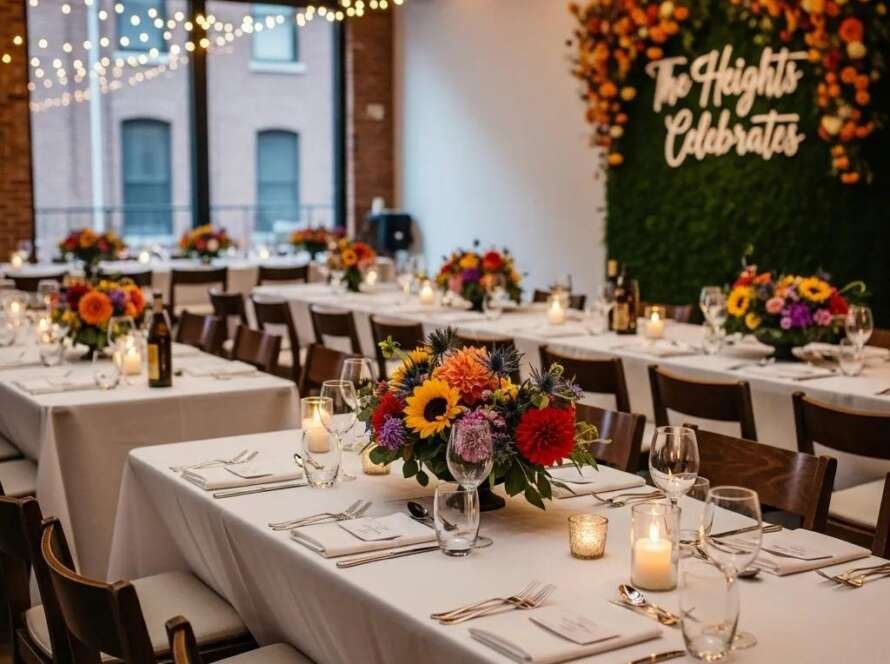
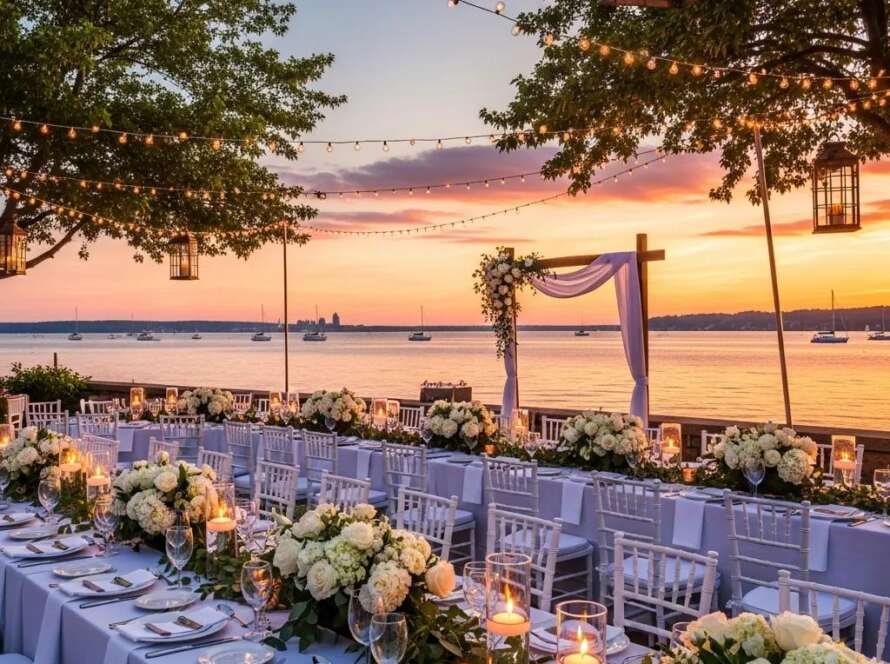
Layered lighting, curated florals, and thoughtfully chosen rentals reshape space and set tone, while production—sound design, staging, projection—creates the moments guests remember. Before-and-after examples often show how uplighting and lounge vignettes transform a plain ballroom into an immersive environment. Production add-ons like wireless mics and livestreaming support remote guests and preserve key moments. When design and production collaborate from the start, the guest experience feels intentional and polished.
Let’s Groove Events showcases personalized wedding design and production tailored for Downtown Indianapolis couples—reach out via our contact form or phone to request a design consultation or production estimate.
If you’re ready to move forward, schedule a consultation outlining goals, preferred neighborhoods (Mass Ave, Fountain Square, downtown core), and a preliminary budget; that initial step helps planners provide an accurate scope, timeline, and next steps toward a successful event.
Frequently Asked Questions
What should I consider when choosing an event planner in Indianapolis?
Look for experience with your event type—weddings, conferences, or fundraisers—and review examples that match your vision. Check the planner’s vendor network, budget-management process, and logistics capabilities. Communication style matters: choose a planner who responds clearly, keeps you updated, and collaborates with your priorities.
How can I ensure my event stays within budget?
Start with a clear budget and ranked priorities. Work with your planner to build an itemized budget that includes venue, catering, decor, entertainment, and a contingency line. Review costs regularly and be upfront about trade-offs. A transparent planner will offer alternatives that preserve the guest experience while controlling spend.
What are the benefits of hiring a local event planner?
Local planners know venues, vendors, and neighborhood rules. They have relationships that can improve pricing and on-site responsiveness, and they understand community dynamics and permit processes—especially important for neighborhood activations in places like Mass Ave and Fountain Square.
How do I evaluate the success of my event?
Measure attendee satisfaction, engagement, and whether you hit your objectives. Collect feedback with surveys or quick interviews, compare attendance against targets, and review financial outcomes like fundraising or leads. Also assess logistics and vendor performance—smooth operations contribute heavily to perceived success.
What are some common challenges in event planning?
Managing multiple vendors, keeping to a timeline, and staying within budget are frequent pain points. Weather, last-minute cancellations, or communication gaps can also disrupt plans. Good contingency planning, clear roles, and an experienced planner help mitigate these risks.
How far in advance should I start planning my event?
Timelines depend on size and complexity. For large events—weddings or conferences—start 6 to 12 months ahead. Smaller events often need 3 to 6 months. Starting early gives you more venue and vendor options and reduces last-minute stress.
Conclusion
Choosing the right Downtown Indianapolis planner makes a measurable difference: better coordination, clearer creative direction, and a smoother event day. By understanding local offerings and neighborhood nuances, you can confidently navigate planning—from weddings to corporate gatherings. Ready to bring your vision to life? Reach out to a local planner to start the conversation and take the first step toward an unforgettable event.