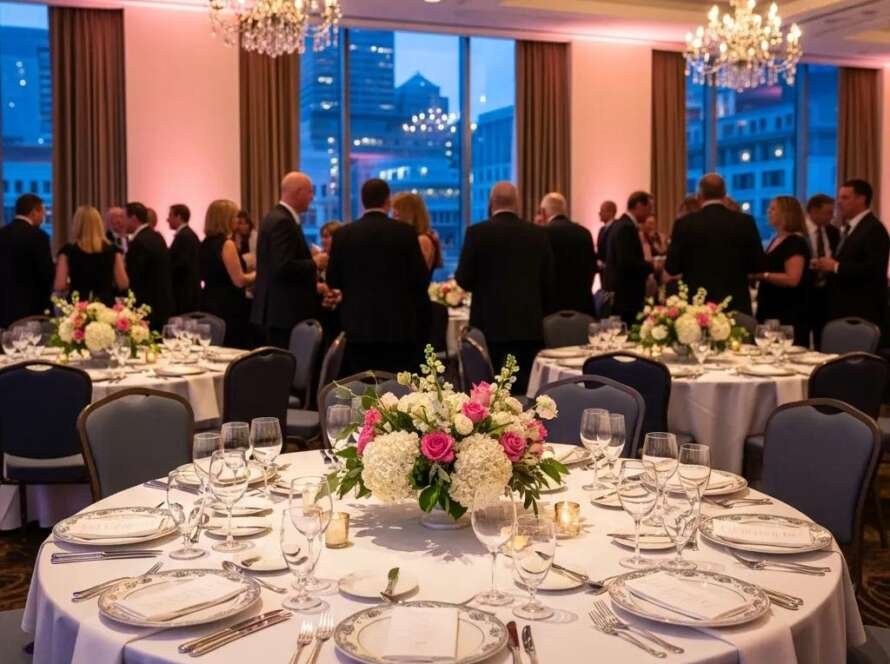
Guide to Choosing the Perfect Event Theme

How to Choose the Perfect Event Theme — A Short Guide for Creative, Trend-Forward Celebrations
Picking the right theme sets the mood for every guest interaction and makes dozens of planning choices easier by giving you one clear creative direction. This guide defines what an event theme is, explains why it matters for guest experience and logistics, and shows how to turn a concept into a practical design that supports your goals. You’ll get the key decision points to weigh, a curated list of adult-friendly theme ideas, a simple process for developing your concept, and the top 2024 trends you can adapt. Whether it’s a birthday, product launch, or an intimate celebration, this quick walkthrough will help you choose with confidence and avoid common mismatches between ambition and feasibility. Read on for checklists, comparison tables, and step-by-step sequences that make picking a theme faster and more strategic.
What to Consider First When Choosing an Event Theme
A strong theme starts with a match between purpose, audience, budget, and venue so creative choices support operational realities. Those four filters shape scale, color, entertainment, and vendor needs — and they cut scope creep by clarifying priorities early. The checklist below highlights the highest-impact factors to evaluate before you commit, formatted for fast decision-making and easy reference.
- Event purpose and objectives: Be specific about the outcomes your theme should support.
- Audience demographics and expectations: Choose a tone, accessibility level, and cultural fit that match your guests.
- Budget and production feasibility: Make sure visuals and special elements align with costs.
- Venue constraints and opportunities: Leverage venue features to boost the theme.
- Desired guest experience and logistics: Plan flow, timing, and the themed moments you’ll deliver.
Use this checklist to prioritize trade-offs. Filter theme ideas quickly with these factors, then validate your top picks against creative and logistical realities in the table below.
Different event goals and audiences call for different priorities — the short comparison below makes that easy to scan.
| Purpose | Key Considerations | How it Guides Theme Choice |
|---|---|---|
| Celebration (birthday, anniversary) | Guest ages, nostalgia, level of intimacy | Leans toward personal, sentimental, or playful approaches |
| Corporate (launch, conference) | Brand voice, messaging goals, attendee mix | Needs brand-aligned visuals and scalable production |
| Fundraising / Gala | Donor expectations, formality, sponsor presence | Calls for elevated design and clear sponsor visibility |
This comparison shows how purpose translates into visual and operational choices. The next sections walk through how purpose and demographics shape theme selection in practice.
How Event Purpose Shapes Your Theme
Your event’s purpose determines tone, scale, and which KPIs the theme should support. For a product launch, the theme should boost brand messaging and create moments that encourage recall and social sharing. For a wedding, it’s about intimacy, storytelling, and guest comfort. When theme tone aligns with objectives, you’re more likely to hit targets like engagement, press pickup, or donations. Use objective-driven mockups — a branded activation for a launch or a curated lounge for networking — to test whether a theme truly serves your primary goals.
Starting with purpose narrows creative options and reduces unnecessary production spend. From there, the next essential filter is audience.
Why Audience Demographics Matter for Theme Decisions

Audience demographics shape aesthetics, accessibility, and programming — the elements that make a theme land or flop. Younger guests may prefer interactive, photo-forward installations and bold palettes; older or more formal groups often expect refined lighting, comfortable seating, and clear signage. Factor in cultural norms and accessibility needs — menus, mobility access, and sensory considerations — when choosing decor and entertainment. Create simple guest personas (for example: corporate execs, local couples, milestone celebrants) to turn demographics into concrete design and inclusion choices.
Adapting a theme to your audience increases engagement and reduces surprises on the day of the event. With purpose and audience aligned, you can explore theme ideas that actually fit.
Popular and Creative Theme Ideas for Adults
Here’s a compact list of adult-friendly themes to spark direction while staying adaptable across budgets and venues. Each entry includes a short descriptor and a quick note on execution to help you shortlist fast.
- Modern Cocktail Soirée: Sleek lighting and craft cocktail stations designed for intimate networking.
- Retro Disco Revival: Mirror balls, neon accents, and DJ-driven dance floors for high-energy nights.
- Noir & Glam Gala: Black-tie elegance with dramatic lighting and luxe table settings.
- Garden Conservatory: Lush florals and natural textures for daytime or tented outdoor events.
- Art-Forward Gallery Party: Curated installations and projection mapping for immersive moments.
- Travel-Inspired Passport Night: Global food stations and themed menus for experiential dining.
- Industrial Chic Loft: Exposed materials, Edison bulbs, and minimal decor for urban gatherings.
- Vintage Carnival: Games, local artisans, and whimsical signage for playful adult events.
These themes scale by adjusting lighting, entertainment complexity, and sourcing. If you want a polished execution, one provider can manage design, procurement, and production to keep the look cohesive. Let’s Groove Events offers curated décor and customizable packages to fit different budgets and styles.
| Theme | Mood / Visuals | Typical Elements / Decor | Best for (audience/type) |
|---|---|---|---|
| Modern Cocktail Soirée | Sleek, intimate | Low tables, craft bars, moody lighting | Networking, product previews |
| Garden Conservatory | Natural, airy | Floral installations, soft draping | Daytime celebrations, luncheons |
| Retro Disco Revival | High-energy, colorful | Dance floor, disco lighting, DJ | Nightlife crowds, milestone parties |
Use these examples when shortlisting themes, then test feasibility against venue and budget during concept development.
Which Party Themes Are Trending for 2024?
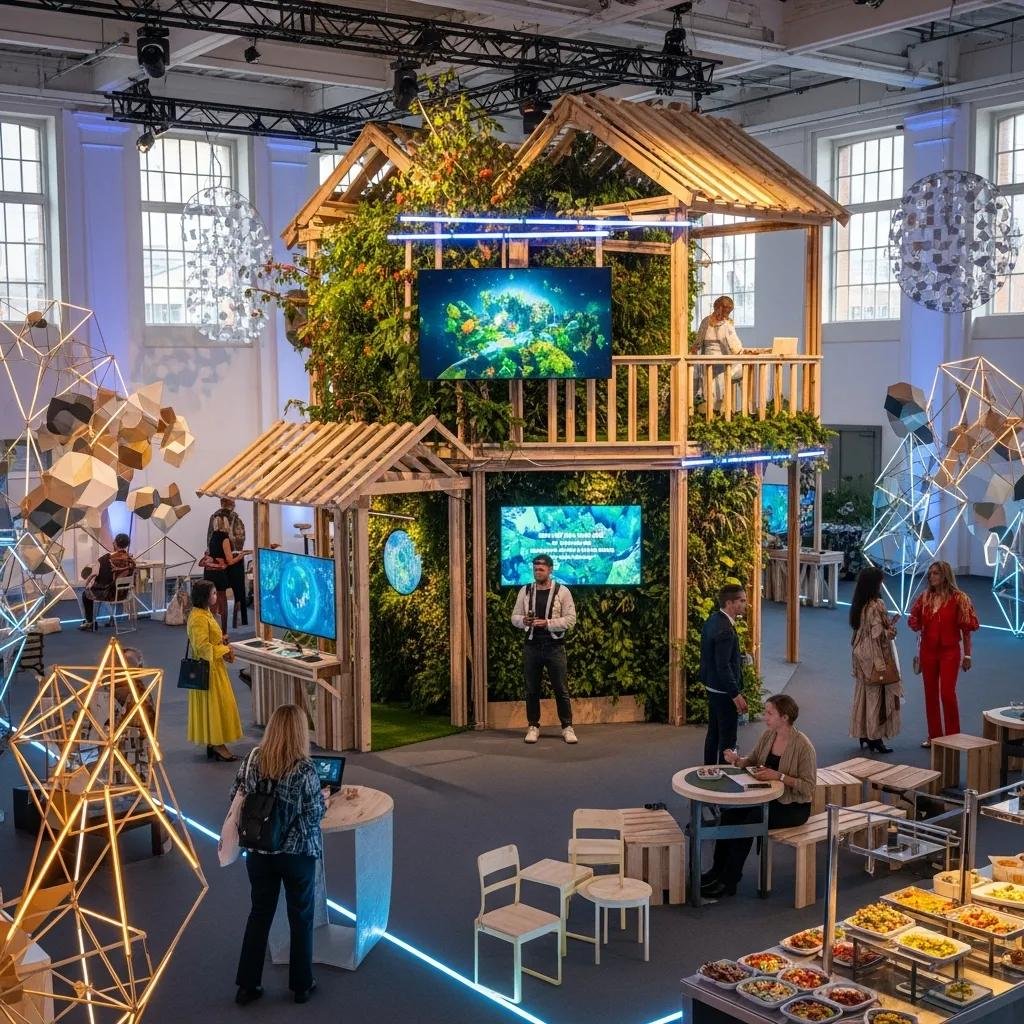
2024 trends lean into immersive storytelling, sustainability, and hybrid-friendly formats that look great both in person and on camera. Popular directions include eco-conscious botanical settings, projection-driven narratives, and nostalgic reboots with modern production. Each trend can be scaled: a low-budget botanical feel uses potted greenery and recycled linens, while a high-end version adds floral walls and custom scenting. Prioritize trends that suit your audience and sustainability goals so the concept stays authentic and feasible.
Because trends affect vendor choice and budget, adapt trending elements to what your venue and timeline can realistically support.
How Unique Concepts Boost Event Impact
Bespoke concepts create memorable, shareable moments that set your event apart. Ideas like a themed sensory bar, narrative-driven programming, or interactive art installations encourage social sharing and stronger recall. Keep in mind: bespoke elements add complexity and demand tight vendor coordination and cueing to work smoothly.
When done well, original touches deliver higher engagement and clearer brand differentiation — which is why many hosts partner with professional producers.
How to Build an Event Concept That Matches Your Theme
Turning a theme into a workable concept takes a short, repeatable process that ties inspiration to execution and budget. A solid concept connects moodboards, vendor briefs, and a production plan so creative ambitions meet logistical reality. The steps below form a practical roadmap you can use at any scale.
- Research and inspiration: Collect visual references, audience insights, and venue photos.
- Create a moodboard: Lock in color palette, textures, lighting direction, and music cues.
- Draft a production plan: Outline budget, AV needs, vendor roles, and timelines.
- Produce mockups and vendor briefs: Share schematic layouts and sample assets for accurate bids.
This stepwise approach keeps creative choices grounded and makes it easier to compare vendor proposals and costs.
Let’s Groove Events can step in as an implementation partner at this stage — turning your theme into a cohesive concept with integrated planning, design, decor, and production so the creative intent stays protected.
Steps in Event Concept Development
Concept development produces tangible deliverables that move ideas into action. Start with research — competitor events, venue limits, and audience preferences — then build a moodboard to capture the visual direction. Next, create a schematic layout and a draft production budget that flags AV and staging costs. Finally, prepare concise vendor briefs with timelines and tech specs to ensure consistent execution across suppliers.
Each deliverable reduces ambiguity and speeds decision-making during vendor selection and rehearsals.
How to Weave Theme Elements into Every Part of the Plan
Seamless integration depends on a consistent visual language across invitations, signage, staging, catering, and entertainment so the theme feels intentional at every touchpoint. Use a single reference moodboard and a vendor brief template to communicate color palettes, typography, and materials to all partners. Schedule cueing and run-of-show rehearsals to sync lighting, music, and performer timing with your thematic moments. Finally, give day-of staff a simple checklist so décor placements, signage, and service stations match the concept brief.
Close coordination between creative and production teams preserves the theme’s integrity and elevates the guest experience when everything is executed consistently.
2024 Theme Trends to Inspire Your Next Event
This year’s trends focus on immersive, eco-aware, and tech-forward experiences that balance spectacle with authenticity. Themes that blend physical design with digital storytelling — projection mapping, mixed-reality activations, or interactive installations — are catching on because they create powerful visual hooks for attendees and press.
Sustainable materials, locally sourced florals, and low-waste catering are increasingly expected, not optional. Choose trends that reinforce your event goals instead of adopting features for novelty’s sake.
Which Themes Are Gaining Traction?
Look for botanical immersive environments, projection-led storytelling, and nostalgia reboots that remix past decades with modern production. Botanical designs highlight living installations and scent; projection storytelling makes the venue part of the narrative; nostalgia reboots rely on curated music and authentic props. Each can be adapted across budgets by changing scale and sourcing locally or renting key assets.
Pick the trend that best supports your guest experience and the venue’s architectural strengths.
How to Make Trends Fit Your Event
To adapt a trend, test fit with your audience and event goals, then localize or personalize elements so the theme feels genuine. Options include toning down spectacle for smaller venues, combining trends for originality, or hiring local creatives to root the concept in place. Always balance trend-forward features with timeless essentials — comfortable seating, clear sightlines, and thoughtful lighting — so the event stays functional and welcoming.
Thoughtful adaptation keeps credibility intact and raises the chance that a trend will genuinely resonate with attendees.
For tailored guidance or to explore custom theme packages, reach out to Let’s Groove Events to discuss planning and production options and request a proposal that fits your goals and budget.
Frequently Asked Questions
What are some tips for creating a cohesive event theme?
Start with a clear vision that ties back to purpose and audience. Build a moodboard to pin down colors, textures, and style. Make sure every touchpoint — invitations, signage, tables, entertainment — reflects that vision. Consistency matters more than complexity: choose a few strong elements and repeat them thoughtfully. Finally, review plans regularly so every vendor stays aligned.
How can I ensure my event theme is inclusive for all guests?
Think broadly about accessibility and cultural fit: wheelchair access, sensory-friendly options, and diverse menu choices are good starting points. Test ideas with sample guests or run a short survey to catch potential issues. Aim for elements that welcome a wide range of tastes and needs, and provide clear signage and staff training so everyone feels comfortable participating.
What budget considerations should I keep in mind when choosing a theme?
Begin with a firm overall budget and break it into line items for decor, entertainment, food, and production. Research typical costs for each theme — some require expensive fabrication or specialty vendors. Prioritize the elements that deliver the biggest guest impact, and consider rentals, local vendors, or DIY touches to stretch your dollars without sacrificing quality.
How can I incorporate technology into my event theme?
Use technology to enhance, not overwhelm. Projection mapping can transform a space; interactive displays and social media walls encourage participation; event apps help guests navigate and network. If you include virtual or hybrid elements, plan AV and connectivity early. Make sure the tech choices support your theme and guest experience rather than becoming a distraction.
What are some common mistakes to avoid when selecting an event theme?
Avoid themes that don’t align with your purpose or audience, ignore budget limits, or overlook logistics. Don’t pick something overly complex if your timeline or venue can’t support it. Also, ensure inclusivity and test feasibility against the venue’s layout and rules to avoid costly changes at the last minute.
How can I evaluate the success of my event theme after the event?
Gather attendee feedback through surveys or quick interviews. Track KPIs like engagement, social shares, and satisfaction scores. Review execution: did the theme meet your goals and stay within budget? Debrief with vendors and staff to capture lessons learned so your next themed event is even smoother.
Choosing the Perfect Event Theme to Wow Your Guests
Choosing the right event theme is the fastest way to create memorable experiences that connect with your guests and support your objectives. By weighing purpose, audience, venue, and budget, you can narrow options quickly and make confident choices. Use our curated themes and trend ideas for inspiration, and if you’d like hands-on help, contact Let’s Groove Events — we’ll turn your vision into a polished, practical plan.