

Logistics for Concert Event Planning
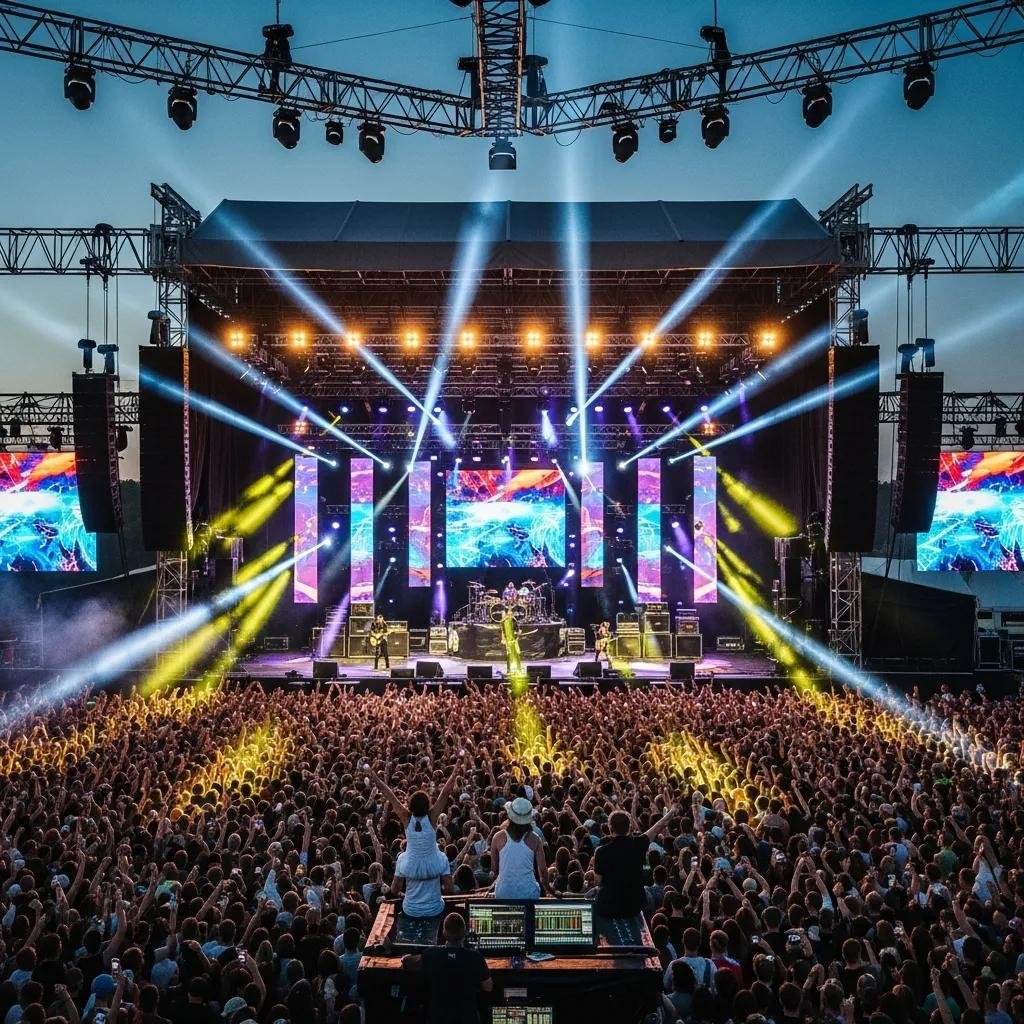
Concert Logistics Management — Practical Planning & Coordination for Flawless Live Shows
Concert logistics is the hands-on work of planning, coordinating, and executing every operational piece that makes a live music event run safely, on time, and to the standards artists and audiences expect. Strong logistics tie venue choice, stage and AV systems, security, permits, vendor delivery, and artist services into one clear plan that lowers risk and keeps the show smooth. Planners who treat logistics as a priority assign clear ownership, set reliable timelines, and put measurable controls in place—moves that directly improve the audience experience and artist satisfaction. This guide walks through the core elements of concert logistics, outlines festival production phases, shares best practices for artist and tour logistics, and lists common permits and compliance steps planners need. You’ll also find practical checklists, concise comparison tables for quick decision-making, and vendor-management tactics that scale from small club nights to multi-stage festivals, using contemporary production standards and field-tested workflows.
What Are the Key Components of Effective Concert Logistics Management?
Concert logistics groups the functional building blocks—venue, stage/AV, security, vendors, artist services, and permits—so every piece supports the event goal. That coordination works because precise technical specs, staffing plans, and delivery windows reduce overlap and build contingency buffers to prevent day-of failures. The main benefit is predictability: integrated logistics deliver consistent load-ins, dependable show operations, and faster incident resolution. Knowing these components lets planners align capacity, power, and crew to the production scale and audience profile they’re aiming for.
The essential components to prioritize are:
- Venue and site planning: Match capacity, access, and infrastructure to production needs with a clear load-in plan.
- Stage, sound, and lighting production: Lock in rigging, power, and FOH/monitor specs before you hire vendors.
- Security and crowd management: Set staffing ratios, credential rules, and egress plans that protect attendees.
- Vendor coordination and supply chain: Sync delivery windows, contracts, and on-site contacts to avoid bottlenecks.
- Artist logistics and back-of-house operations: Confirm transport, backline, and hospitality match riders and the day’s schedule.
This checklist sharpens priorities and prepares teams for the next steps—venue selection and vendor contracting—that turn plans into operational tasks.
Intro to the EAV table below: The table compares core logistics components, calling out the single most relevant attribute planners should evaluate and why that attribute matters during event execution. Use this to prioritize scope and cost choices early in pre-production.
| Component | Key Attribute | Practical Consideration |
|---|---|---|
| Venue | Capacity / Access | Confirm load-in docks, parking, and emergency egress to match production scale |
| Security | Staffing Levels | Plan security based on crowd density with credentialing and clear escalation paths |
| AV | Power / Technical Specs | Verify distro, backup power, and system coverage for FOH and stage monitors |
This side-by-side helps teams turn high-level needs into vendor specs and venue riders, speeding procurement and cutting down day-of surprises.
How Does Venue Selection Impact Concert Logistics?
Venue choice sets many logistical limits: layout, infrastructure, and local rules shape what production choices are realistic and how much contingency you must plan for. Indoor venues often give defined rigging points, built-in power, and tighter sightlines but can bring stricter noise curfews and narrow load-in windows. Outdoor sites usually need temporary power, more traffic management, and robust weather plans. Run a site survey early—check power capacity, loading-dock dimensions, and map audience circulation and emergency egress. The right venue lowers technical risk and can reduce variable costs by matching production needs to existing infrastructure and permitted operations.
Those venue considerations feed directly into vendor selection and production scheduling for sound and lighting, which we cover next so your suppliers and the venue operate on the same page.
What Role Does Vendor Coordination Play in Concert Planning?
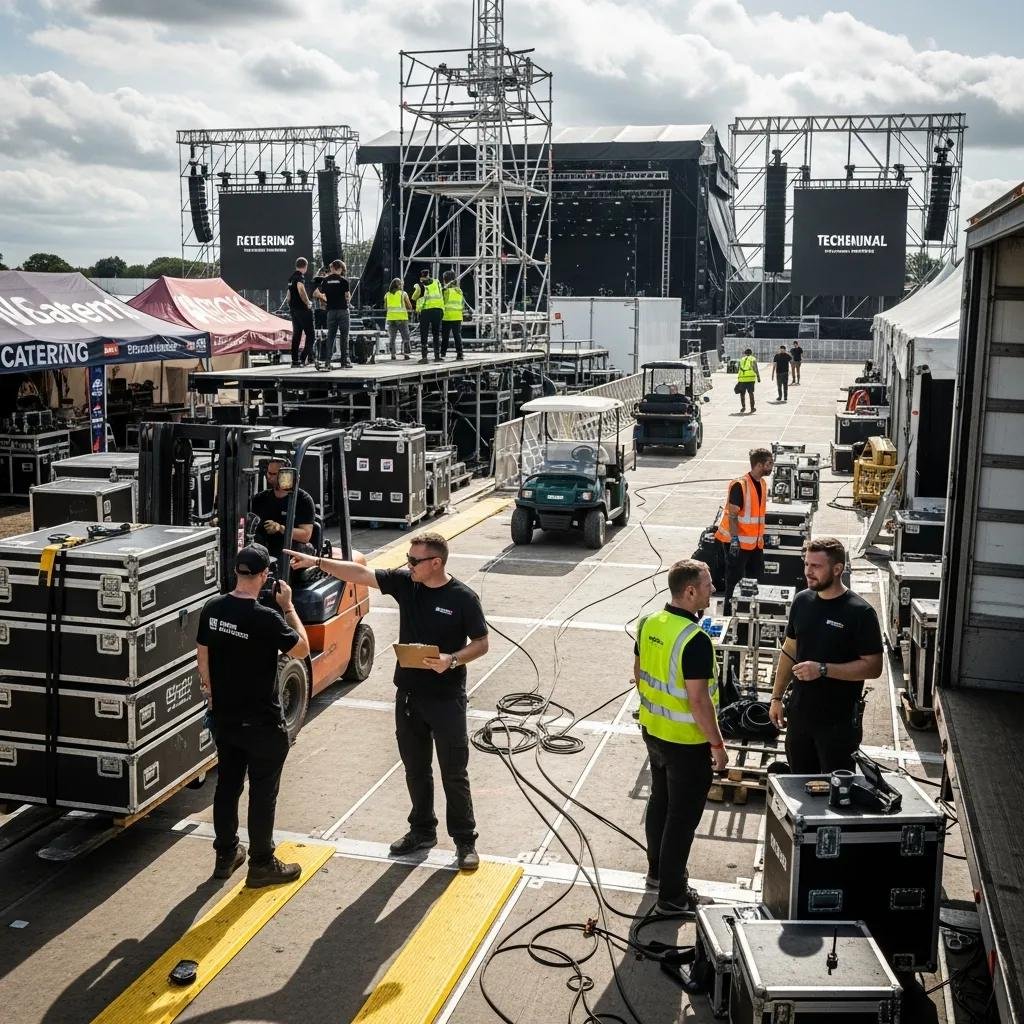
Vendor coordination makes sure every third party shows up on time, delivers to spec, and has a single on-site contact for troubleshooting—creating one accountable chain from procurement to performance. Start with vetted contracts that spell out delivery windows, insurance minimums, and escalation contacts. Use a production schedule to align load-in, soundcheck, and handoff milestones. Day-of coordination needs an operations manager or stage manager to sync vendors, verify technical riders, and confirm BOH allocations. Contingency plans—secondary suppliers for critical items and clear penalty clauses—limit the operational impact of late or faulty deliveries.
Vendor coordination is a steady operational rhythm: pre-event check-ins, a final tech rehearsal, and a clear communications triage system during the event. The next section shows how that rhythm scales for multi-stage festivals and complex timelines.
Streamlining Concert Logistics: Strategies for Flawless Live Events
Festival production follows a lifecycle: pre-production, load-in and technical rehearsals, show operations, and load-out with post-event reconciliation. Each phase assigns responsibilities to teams and vendors. Pre-production locks site plans, vendor contracts, permits, and emergency procedures; load-in covers rigging, soundchecks, and FOH tuning; show operations run stage cues, FOH/BOH communications, and crowd control; load-out and post-event handle teardown, asset reconciliation, and incident reporting. A phase-driven approach reduces ambiguity, provides checkpoints for risk reviews, and helps allocate resources across stages and changeovers.
Key festival production stages are:
- Pre-production: Site surveys, vendor contracts, and permit applications finalized.
- Load-in & technical rehearsals: Rigging inspections, system tuning, and artist soundchecks.
- Show operations: Stage management, FOH mixing, and crowd/staff communications.
- Load-out & post-event: Equipment teardown, vendor reconciliation, and incident debrief.
These stages create a reliable timeline and support coordinated handoffs across staff, vendors, and emergency services.
Intro to roles table: The table below summarizes production roles and primary responsibilities so organizers can assign ownership and streamline on-site communication.
| Role | Primary Responsibility | Typical Deliverable |
|---|---|---|
| Production Manager | Overall schedule and vendor coordination | Production timeline and run-of-show |
| Stage Manager | Stage cues and artist liaison | Cue sheets and stage call times |
| FOH Engineer | Live sound mix and system tuning | Soundcheck reports and FOH mix |
Clear role mapping shows who signs off on milestones, boosting accountability and minimizing delays in critical windows.
After outlining festival phases, many planners look for production partners. For organizers needing scalable festival production or multi-stage coordination, Let’s Groove Events packages services around Planning & Coordination, Design & Strategy, Vendor Management, and Decor Services—and we can provide tailored production quotes on request. Our approach keeps the technical roadmap clear while letting organizers retain creative control.
What Are the Main Stages of Festival Logistics?
Festival logistics concentrate on milestone delivery and risk checkpoints that mirror the production lifecycle: initial site planning, permit acquisition, vendor contracting, load-in sequencing, show operations, and load-out reconciliation. A milestone timeline with responsible parties and measurable deliverables reduces ambiguity and makes rapid escalation possible when issues arise. Include check-in points for safety inspections, sound tests, and crowd-control rehearsals to validate assumptions. Mapping these stages clearly tells each team when handoffs happen and which contingency resources to deploy.
These primary stages lead directly into operational planning for crowd safety and security—the next core area organizers must lock down to protect attendees and staff.
How Is Crowd Management and Security Planned for Music Festivals?
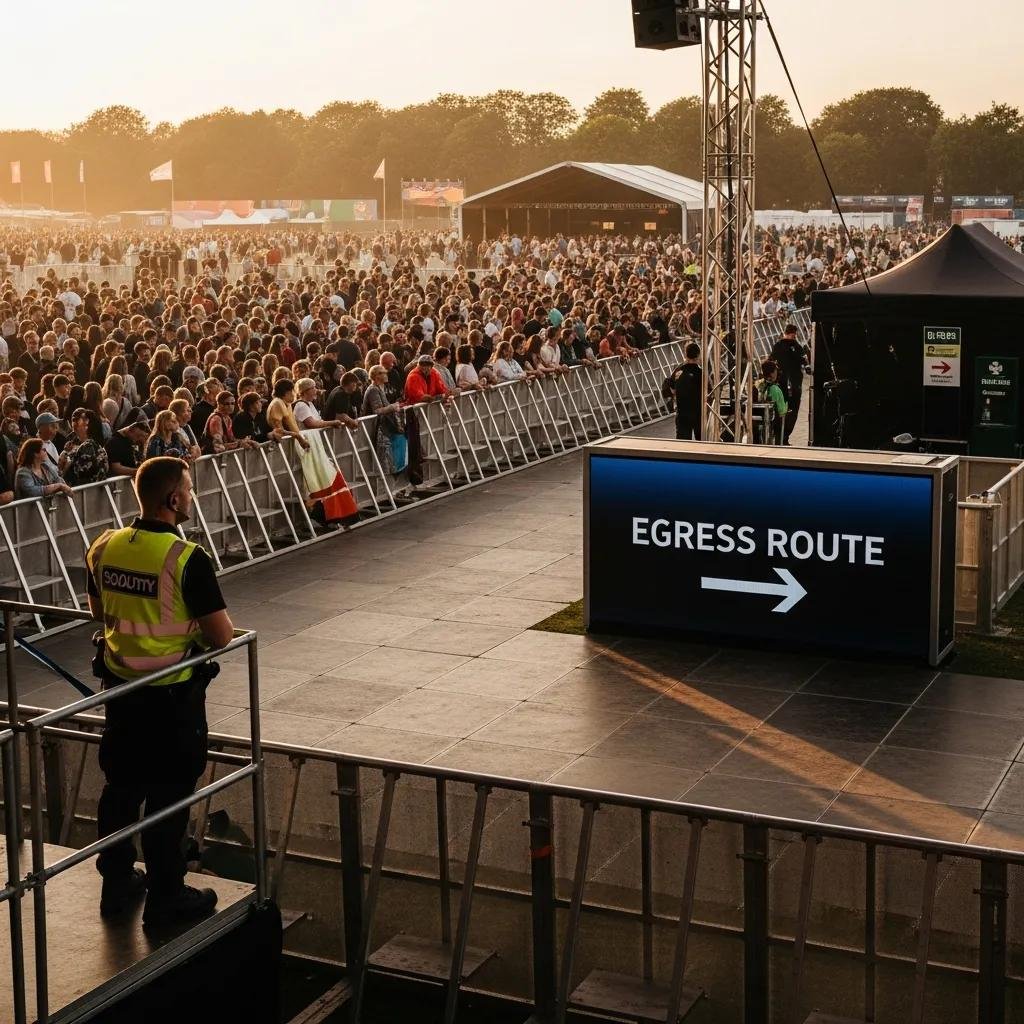
Crowd management and security planning combine venue layout analysis, egress mapping, staffing ratios, credential systems, and emergency medical coverage into a layered safety strategy that scales with attendance and site complexity. Good plans specify ingress/egress routes, signage, staff positions, and a communications protocol between security, stage, and medical teams. Use density-based metrics to set guard and steward numbers and create zones for FOH, BOH, and artist access to control movement during load-in and performance. Regular drills and a clear incident command structure speed response and reduce confusion under pressure.
These security measures also depend on permits and coordination with local authorities to confirm staffing levels and emergency response expectations.
What Are the Best Practices for Artist and Tour Logistics Management?
Artist and tour logistics coordinate timing, hospitality, transport, and technical riders so performers and touring crews arrive, perform, and depart on schedule with the gear and services they need. Best practices include early alignment with tour managers, transport windows that build in traffic buffers, and pre-arrival backline checks against the rider. Hospitality planning should define green room layout, provisioning, and clear contact points, while tech teams keep backline labeled and maintain fast troubleshooting protocols. These steps reduce rider disputes, speed changeovers, and protect artist relationships for repeat bookings.
The EAV table below compares core artist logistics items, spelling out responsibility and delivery expectations so tour managers and production leads can assign tasks confidently.
| Item | Responsibility | Delivery Expectation |
|---|---|---|
| Artist Transport | Tour manager / transport vendor | On-site arrival 60–90 minutes before soundcheck |
| Backline | Production or rental vendor | Labeled and stage-ready with spare parts |
| Accommodation | Promoter / production | Nearby hotels with flexible check-in for crews |
Clear assignments build accountability and reduce day-of friction between touring parties and production teams. For artists or managers who need vendor coordination and artist-logistics support, Let’s Groove Events offers artist hospitality and backline coordination packages—reach out to discuss tailored options.
How Is Artist Transportation and Accommodation Coordinated?
Coordinating transport and accommodation starts with syncing tour schedules, local traffic patterns, and venue access to create windows that allow for load-in, soundcheck, and pre-show prep. Tour managers usually supply flight and bus itineraries that production teams map against site access times and preferred hotels. We favor hotels a short drive from the venue with flexible check-in for delayed arrivals. Built-in buffers, backup vehicles, and a single on-call liaison cut the risk of missed soundchecks or late starts.
Well-planned transport and hotel logistics improve on-site reliability and make artist onboarding during load-in smooth.
What Are the Essentials of Backline and Back-of-House Logistics?
Backline and BOH logistics demand tight inventory control, clearly labeled staging, and on-site tech contacts who can fix instrument or amp issues fast. Inventory lists should include serial numbers and spare parts, with a dedicated staging area separated from public access. BOH zones need mapped access rules, and FOH–BOH communications should use reliable channels for cues and emergency signals. Fast troubleshooting protocols—redundant DI boxes, spare cables, and labeled parts—cut downtime during changeovers.
Those BOH practices support consistent sound quality, speedier stage turns, and better artist experiences.
Which Permits and Licenses Are Required for Concert Event Planning?
Concerts typically require a handful of permits and licenses—special event permits, noise variances, temporary-structure approvals, and food/alcohol licenses—that together ensure legal compliance and community acceptance. Securing permits means identifying the issuing authority, understanding lead times, and submitting accurate site and safety documentation. Getting permits in early reduces last-minute restrictions or fines; a clear compliance plan can prevent cancellations due to unresolved regulatory issues. Map permit needs to your production timeline and assign ownership for each application.
Common permits and their considerations are:
- Special event permit: Municipal approval for event operation and general safety conditions.
- Noise permit/variance: Permission for amplified sound outside local curfews or decibel limits.
- Temporary structure permit: Inspection and sign-off for stages, towers, and large tents.
- Food and alcohol permits: Licensing for concessions and on-site alcohol sales, including vendor compliance.
Intro to permits EAV table: The table below lists typical permits, the usual issuing authority, and expected lead times so you can sequence applications and lower permit risk.
| Permit Type | Issuing Authority | Typical Lead Time / Requirement |
|---|---|---|
| Special Event Permit | City or municipal events office | 30–90 days; site plan and insurance required |
| Noise Permit / Variance | Local environmental or police department | 30–60 days; sound monitoring plan often required |
| Temporary Structure Permit | Building or fire marshal | 14–60 days; engineering and rigging specs required |
Use this permit mapping to plan documentation and deadlines within your production schedule. If you’d rather hand off permit work, Let’s Groove Events provides permit consultancy to manage applications and local coordination on recommended timelines so you can focus on the show.
Frequently Asked Questions
What are the common challenges faced in concert logistics management?
The usual challenges are juggling multiple vendors, tight timelines, and staying compliant with local rules. Unexpected problems—equipment failures, weather shifts, or last-minute artist asks—also disrupt plans. Communication breakdowns between teams or vendors can create confusion. Mitigate these risks with clear communication protocols, thorough pre-event checks, and contingency plans for critical systems so the event can keep moving when things go off-script.
How can technology improve concert logistics management?
Technology streamlines communication, scheduling, and real-time updates. Project-management tools, mobile apps for vendor coordination, and digital ticketing help organizers track tasks and share live status. Data analytics can reveal audience patterns that inform staffing and concessions. The right tech stack boosts efficiency, reduces errors, and improves the experience for artists and attendees alike.
What role does risk management play in concert logistics?
Risk management identifies potential disruptors and builds strategies to limit their impact—safety, security, weather, and vendor reliability are common areas of focus. Conduct risk assessments, create contingency plans, and run regular drills. Training staff and security on emergency procedures ensures everyone knows their role, which leads to faster, safer responses when incidents occur.
How do you ensure artist satisfaction during a concert?
Artist satisfaction comes from attention to their rider, reliable hospitality, and a smooth backstage experience. Provide comfortable accommodations, timely transport, and a well-run green room. Keep communication open with the artist’s team and have a dedicated liaison for last-minute needs. These steps protect the performance and build good relationships for future bookings.
What are the best practices for post-event evaluation in concert logistics?
Post-event evaluation drives improvement. Hold debriefs with stakeholders to capture wins and pain points, collect feedback from artists, vendors, and attendees, and review timelines and incident reports. Document findings, update processes, and apply lessons to the next event so each show gets better than the last.
How can sustainability be integrated into concert logistics management?
Sustainability starts with practical choices: renewable energy where possible, waste reduction through recycling and composting, and selecting eco-minded vendors. Encourage public transit or carpooling for attendees and use digital tickets to cut paper. Sustainable choices reduce environmental impact and resonate with audiences who expect greener events.
Conclusion
Solid concert logistics are the backbone of any memorable live event—keeping artists happy, audiences safe, and operations running on schedule. Focus on the fundamentals—venue fit, vendor coordination, and security planning—and you’ll remove the biggest sources of risk. If you want help turning plans into a reliable production, our team at Let’s Groove Events offers tailored production services to bring your vision to life. Reach out and let’s build an unforgettable show together.

